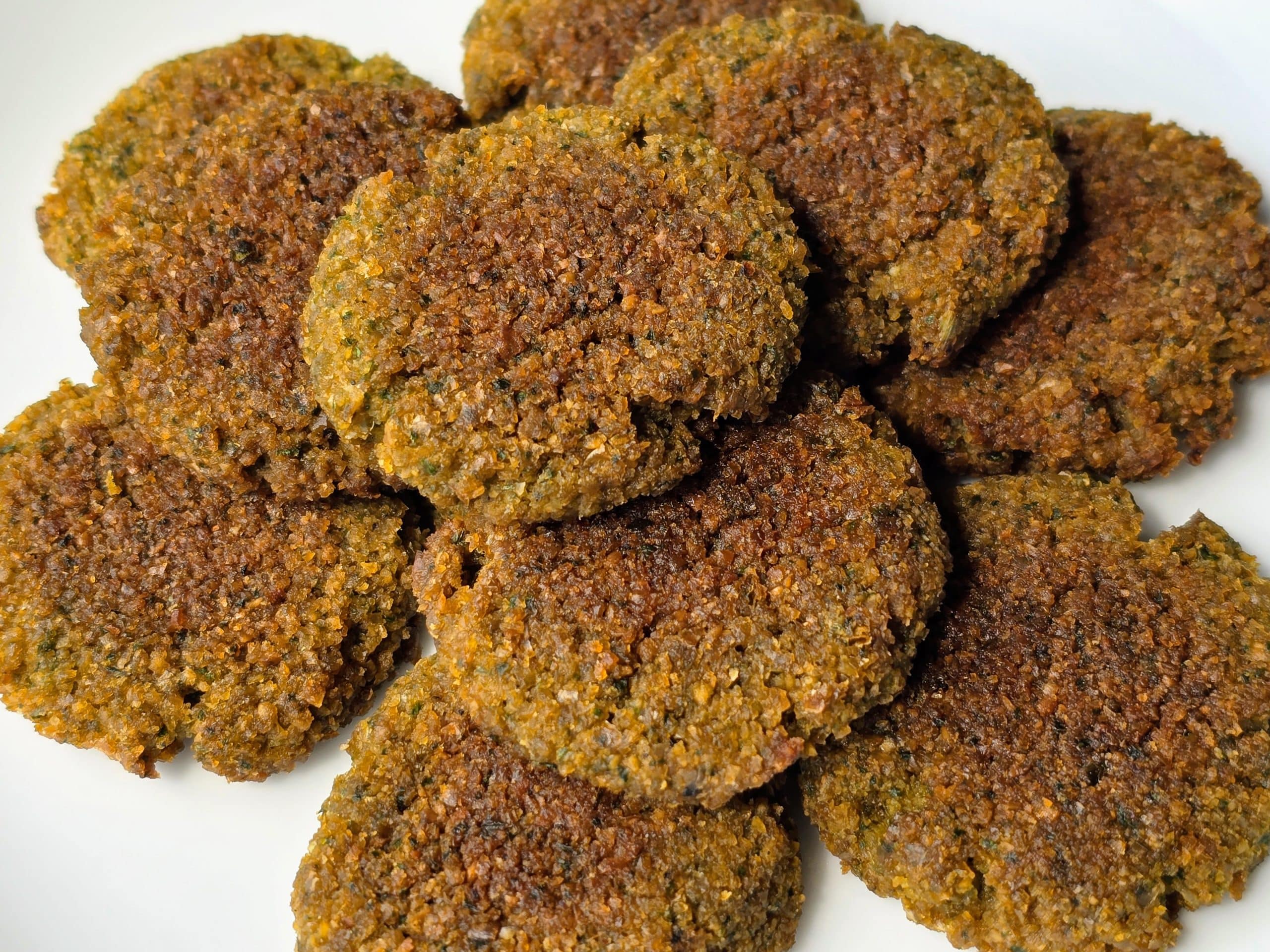
Beyond the Fryer: Embracing Baked Falafel for Health and Flavor
Few dishes command such universal love and mouth-watering appeal as falafel. These humble patties or balls, traditionally made from ground chickpeas (or sometimes broad beans), herbs, and spices, have transcended their Middle Eastern origins to become a global culinary sensation. Whether tucked into warm pita bread with a medley of fresh vegetables and creamy tahini, or served atop a vibrant salad, falafel offers a delightful combination of savory flavor, satisfying texture, and plant-based protein. It’s a go-to for vegetarians, vegans, and anyone craving a delicious, hearty meal.
However, the traditional method of preparing falafel involves deep-frying, a process that, while delivering a certain crispy exterior, comes with a significant health cost. For many, the thought of deep-fried foods, especially those from restaurants that often reuse low-quality oils, is a major deterrent. Concerns about inflammation, compromised digestion, and adverse effects on heart health and skin quality often overshadow the initial pleasure of that first crispy bite. This is where the innovation of baked falafel steps in, offering a revolutionary way to enjoy all the classic flavors and textures without the associated health drawbacks. It's not just a healthier alternative; for many, it's a genuinely tastier and more enjoyable way to experience this beloved dish.
The Health Revolution: Why Baking Wins Over Frying
The culinary world often presents us with a dilemma: taste versus health. Deep-frying is a prime example of a cooking method that sacrifices long-term wellness for immediate gratification. When foods are submerged in hot oil, especially if that oil is repeatedly heated or of poor quality, they absorb excessive amounts of fat. This process can lead to the formation of unhealthy trans fats and inflammatory compounds, which are detrimental to our cardiovascular system, can disrupt digestion, and contribute to systemic inflammation throughout the body.
Choosing baked falafel, on the other hand, transforms this beloved treat into a truly wholesome meal. By eliminating the deep-frying step, you dramatically reduce the fat content, particularly the unhealthy saturated and trans fats. Instead, you're left with a dish that celebrates the natural goodness of its core ingredients: protein-rich chickpeas, fresh herbs like parsley, and potent spices such as cumin and coriander. These ingredients are powerhouses of fiber, vitamins, and minerals, contributing to better digestion, sustained energy, and overall well-being. The result is a lighter, cleaner falafel that allows your body to feel energized rather than sluggish, making it an excellent choice for a heart-healthy and gut-friendly diet.
Crafting the Perfect Baked Falafel: Authenticity Meets Innovation
The journey to truly great baked falafel begins with understanding what makes traditional falafel so special, and then adapting those principles to the oven. While many home cooks might reach for canned chickpeas, those who seek an authentic texture and flavor know that raw, soaked chickpeas are non-negotiable. Soaking dried chickpeas for at least 24 hours (or even longer) allows them to soften just enough to be ground into a coarse, crumbly mixture – a texture far superior to the often mushy consistency that results from using pre-cooked, canned beans. This crucial step is what prevents your falafel from turning into a dense, mashed-potato-like patty and instead gives it that characteristic interior crumble.
Another point of contention in the falafel world is the inclusion of eggs. True, traditional falafel recipes rarely call for eggs, relying on the natural starches and binders in the chickpeas themselves. However, for baked falafel, especially when aiming for a sturdy patty that won't fall apart in the oven, a minimal binder like a tablespoon of all-purpose flour or even a beaten egg can sometimes be employed. The key is to use it sparingly, prioritizing the coarse, textured pulse of the chickpeas over a smooth, binding paste. Similarly, meticulous preparation of ingredients, such as finely chopping and squeezing excess moisture from onions, ensures the perfect balance of flavor and prevents the mixture from becoming too wet. A food processor, while not a traditional meat grinder, is perfectly adequate for achieving the desired coarse puree. Pulsing the mixture, rather than over-processing, is vital to maintain that authentic, slightly crumbly texture.
For those eager to dive deeper into perfecting their technique and exploring the nuances of preparing falafel without the fry, you'll find invaluable guidance in resources like Authentic Baked Falafel: Healthy, High-Protein & Gluten-Free. It emphasizes the importance of these foundational steps for achieving a truly remarkable result.
From Pan to Oven: The Smart Baking Technique
One of the secrets to achieving a satisfying crispiness in baked falafel is a clever two-step cooking process that marries the best aspects of pan-searing with oven baking. Simply baking falafel straight from raw can sometimes result in a less-than-crispy exterior. The trick is to start by pan-searing the patties or balls in a skillet with a minimal amount of olive oil over medium-high heat. Just a few minutes on each side, typically around 3 minutes, is enough to develop a beautiful golden-brown crust, locking in moisture and building a foundational crispness.
Once beautifully seared, the falafel are then transferred, usually in the same oven-safe skillet, to a preheated oven set to around 400 degrees F (200 degrees C). The oven provides gentle, even heat that cooks the falafel through without drying them out or requiring additional oil. About 10 minutes in the oven is usually sufficient to ensure they are thoroughly heated and cooked to perfection. This method ensures that while you avoid the excessive oil absorption of deep-frying, you don't sacrifice that coveted crispy exterior. For an even lighter touch, you can use an olive oil spray instead of pouring oil into the skillet for the initial sear, or even bake them entirely in the oven, simply brushing them with a thin layer of oil. Experiment with shaping your mixture into patties for a more consistent bake, or traditional balls for a classic presentation. For more direct and actionable steps, consider checking out an Easy Baked Falafel Recipe: Yummy, Crispy & Simple Steps to guide your next culinary adventure.
Savoring the Flavor: Why Baked Falafel Tastes Better
While the health benefits of baked falafel are undeniable, perhaps the most compelling reason to embrace this preparation method is the elevated flavor experience it offers. Deep-frying, by its very nature, can overpower and mask the delicate, complex flavors of the herbs and spices that are the soul of falafel. The taste of heavy frying oil often dominates, leaving a greasy aftertaste that can detract from the overall enjoyment.
With baked falafel, the vibrant notes of fresh parsley, cilantro, pungent garlic, earthy cumin, and aromatic coriander are allowed to shine through. The nutty undertones of the chickpeas become more pronounced, creating a cleaner, more authentic flavor profile. The initial pan-sear creates a satisfying crunch, providing that essential textural contrast without the heaviness associated with deep-frying. Many falafel enthusiasts find that they don't even miss the deep-fried oiliness, especially when their baked creations are accompanied by traditional fixings. Picture a warm pita, generously stuffed with perfectly cooked baked falafel, crisp lettuce, juicy tomatoes, tangy pickled radishes, and a generous drizzle of creamy tahini sauce or refreshing tzatziki. These vibrant accompaniments don't just complement the falafel; they enhance its inherent goodness, making each bite an explosion of fresh, wholesome flavors.
The proof, as they say, is in the eating. Even picky eaters often devour baked falafel with enthusiasm, drawn in by its appealing texture and delicious, unadulterated taste. It's a testament to how focusing on quality ingredients and a thoughtful cooking method can truly elevate a dish beyond its traditional form, proving that healthier can indeed be tastier.
Ultimately, choosing baked falafel is a win-win. You significantly cut down on unhealthy fats, making it a more gut-friendly, heart-healthy, and inflammation-conscious option. But more than that, you unlock a superior flavor profile, allowing the natural deliciousness of the chickpeas, herbs, and spices to truly sing. It's a guilt-free indulgence that satisfies cravings without compromise. So, whether you're a seasoned falafel lover or new to this Middle Eastern delight, we encourage you to try preparing baked falafel at home. Discover for yourself why this healthier, crisper, and undeniably more flavorful version is quickly becoming the preferred choice for enjoying one of the world's most beloved plant-based foods.
